
| ABV | Technique | Glass | 용량 |
|---|---|---|---|
| 28% | STIR | MARTINI | 75ml |
What is Manhattan?
The Manhattan is a classic cocktail built from rye whiskey and sweet vermouth at a 2:1 ratio, finished with two or three dashes of Angostura bitters, stirred cold and served straight up at roughly 28% ABV. Often called the Queen of Cocktails to the Martini's King, it is an IBA-official drink born in the 1870s in the social clubs of New York's Manhattan borough — and ever since it has shared with the Martini the throne of "spirit-plus-vermouth" classics that anchor the modern cocktail canon.
The recipe is at once simple and precise. Chilled rye whiskey (60ml), sweet vermouth (30ml), two or three dashes of Angostura, all stirred 30–45 seconds with cracked ice in a mixing glass, then strained into a frozen coupe or martini glass and finished with a maraschino cherry. But the Manhattan rewards detail. One dash of bitters more or less, the choice of rye versus bourbon, the brand of vermouth (Carpano Antica, Punt e Mes, or a drier French) — each decision moves the drink in a measurable direction. The Manhattan, more than almost any other cocktail, exposes the bartender's hand in the final glass.
Variations are plentiful. Swap rye for Scotch and you have a Rob Roy. Add maraschino liqueur and an absinthe rinse and you have the Brooklyn (born 1908 in the eponymous New York borough). Mix rye and cognac with sweet vermouth, Peychaud's bitters, and a float of Pernod, and you have the Vieux Carré, born in 1937 in New Orleans. The Perfect Manhattan splits the vermouth between sweet and dry for a drier, more austere character. In American bar culture, the Manhattan is the drink that introduces guests to whiskey cocktails — strong, balanced, and approachable, the cocktail that signals you're ready to drink seriously.
Manhattan ABV
The Manhattan weighs in at roughly 28% ABV — about twice the strength of a glass of wine, a touch lighter than a Martini (32%) but still squarely in the upper-middle range of cocktails. The math: 60ml of 40% rye, 30ml of 16% sweet vermouth, and a few dashes of bitters, stirred 30–45 seconds with cracked ice. The stir adds roughly 20–25% dilution by volume, dropping the final ABV into the high 20s. The result is a drink that feels round and rich on the palate while still carrying the unmistakable weight of whiskey — making the Manhattan equally at home as an aperitif before dinner or as a contemplative after-dinner sipper.
The ratio is the character. A Perfect Manhattan splits the vermouth evenly between sweet and dry for a drier, more austere finish with a similar ABV. A Sweet Manhattan pushes the vermouth ratio up to 2:1 or 1:1 sweet vermouth, lowering the ABV to around 25% and emphasizing the wine's herbal notes. Swap rye for bourbon and the ABV holds steady but the drink takes on a softer, more vanilla-sweet character. Swap rye for Scotch (a Rob Roy) and a faint smoke joins the profile. Modern bartenders also experiment with Japanese Mizunara-cask whisky, Mexican mezcal, and even Korean craft rye for layered, terroir-driven Manhattans.
Calculate this cocktail's ABVManhattan Ingredients
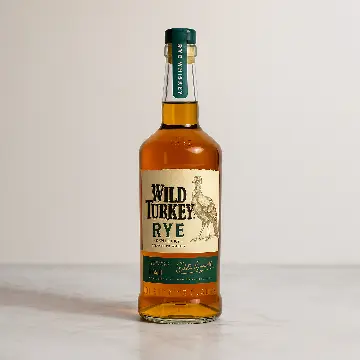
- 50ml - Rye Whiskey
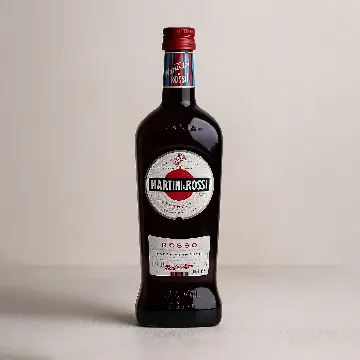
- 20ml - Sweet Vermouth
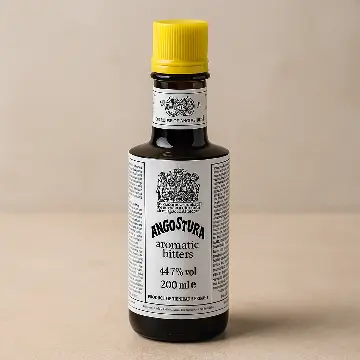
- 2dash - Angostura bitters
Manhattan Recipe
- Fill a mixing glass with ice.
- Add 50ml bourbon whiskey, 20ml sweet vermouth, and 2–3 dashes of Angostura bitters.
- Stir gently to chill.
- Strain into a chilled martini glass.
- Garnish with a cherry or orange peel.
Using rye whiskey gives a spicier, drier profile, while bourbon offers a smoother, richer flavor.
Manhattan Taste
The first sip opens with rye whiskey's signature dry-and-spicy grain character — a brisk, peppery note that wakes the palate. Sweet vermouth's deep, rounded sweetness immediately catches the edge, wrapping the whiskey's heat in herbal wine. The Angostura bitters add a third axis of cinnamon, clove, and dried herbs that gives the Manhattan its unmistakable complexity. A well-built Manhattan is the perfect balance of strength and sweetness, with sweet, bitter, and spirit notes moving in deliberate four-beat rhythm across each sip.
As the glass warms, rye's grainy depth opens further and the cherry garnish bleeds a subtle sweetness into the final sips, lending depth to the long finish. A Rob Roy carries the same architecture but cloaked in Scotch's soft smoke, ideal for a colder evening. The Brooklyn shows off maraschino's cherry pit aroma and the bracing herbal jolt of absinthe — a more brilliant, complex cousin. The Vieux Carré, with rye and cognac stacked together, delivers a richer, more layered experience with French oak and American grain meeting in the glass.
For pairings, the Manhattan rewards rich, savory, dark-meat dishes. Aged ribeye, braised short ribs, lamb chops, foie gras, and dark chocolate are all classic pairings. As an opening pour, smoked bacon, duck rillettes, or a charcuterie board with aged cheeses are ideal. For the after-dinner moment, the Manhattan was made to be sipped alongside a fine cigar or paired with caramelized nuts and a small piece of dark chocolate — a quiet pause at the end of an evening.
Manhattan History
The Manhattan traces its birth to the 1870s in New York's Manhattan borough, where it took its name. The most famous origin story — first told in print in 1894 — claims the cocktail was invented in 1874 at the Manhattan Club in midtown New York, at a banquet hosted by Jennie Jerome (the American mother of Winston Churchill) to celebrate the gubernatorial campaign of Samuel Tilden. The drink, supposedly made by the club's bartender for the occasion, was named for the club itself — and through it, for the borough. Modern historians have cast doubt on the Jerome story (she was reportedly out of the country at the time), but the broader Manhattan-Club origin remains the most commonly accepted account, and the first printed Manhattan recipe appeared in 1882 in a Chicago bar manual just a few years later.
The American Prohibition era (1920–1933) shaped the Manhattan's identity as we know it today. With most American rye whiskey production halted, bartenders made do with smuggled Canadian rye and softer Kentucky bourbon — and a less spicy, rounder profile took hold. After Repeal, the drink rebuilt itself around true American rye, and in the 1930s and 1940s, a series of regional variations emerged. The Rob Roy (1894, Waldorf-Astoria) used Scotch; the Brooklyn (1908) added maraschino and absinthe; the Vieux Carré (1937, Hotel Monteleone, New Orleans) brought rye and cognac together with French-American flair. Each became a classic in its own right.
The Manhattan's 21st-century renaissance arrived with American rye whiskey's comeback in the 2000s. As distilleries like Bulleit, Rittenhouse, and Sazerac revived classic rye styles, the rye-forward Manhattan returned to its proper place at the center of every serious cocktail menu. Modern bartenders push the drink in new directions: Japanese Mizunara-cask whisky for a softer, sandalwood-tinged Manhattan; mezcal for a smoky, earthy variation; Korean and Taiwanese craft whiskies for terroir-driven takes. The Manhattan is an IBA-official cocktail, and the second week of May each year is celebrated as National Manhattan Week in U.S. bars, with house variations highlighting the drink's 150-year evolution.


Comments 0
No comments yet. Be the first to share!