
| ABV | Technique | Glass | 용량 |
|---|---|---|---|
| 6% | BUILD | CHAMPAGNE | 150ml |
What is Mimosa?
The Mimosa is a light and refreshing cocktail made by mixing sparkling wine and orange juice in a 1:1 ratio, with an ABV of approximately 6%.
Created in 1925 at the Ritz Hotel in Paris, it was named after the yellow mimosa flower that its color resembles. It's beloved worldwide as the quintessential brunch cocktail.
With its low alcohol content and refreshing taste, it's perfect for enjoying lightly during morning or lunchtime, and is a staple at special brunch occasions and parties.
Mimosa ABV
The Mimosa has an ABV of approximately 6%, making it one of the lightest cocktails available.
Sparkling wine (12%) at 75ml mixed with 75ml of orange juice in a 1:1 ratio creates roughly 6% alcohol content.
Similar to beer (around 5%), it's much lighter than most cocktails. Thanks to orange juice's freshness and the wine's effervescence, it feels more like a beverage than an alcoholic drink.
Calculate this cocktail's ABVMimosa Ingredients
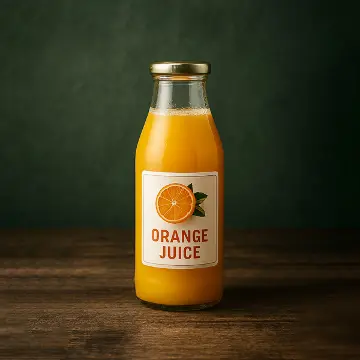
- 75ml - Orange Juice
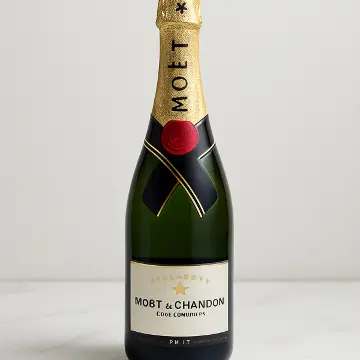
- 75ml - Sparkling Wine
Mimosa Recipe
- Pour 75ml orange juice into a champagne flute.
- Slowly top with 75ml sparkling wine.
- Gently stir to combine without losing the bubbles.
Garnishing with an orange slice or mint leaf adds an extra festive touch.
Mimosa Taste
The Mimosa opens with sparkling wine's delicate bubbles popping refreshingly on your palate.
This is followed by orange juice's sweet and tangy citrus notes filling your mouth, blending naturally with the wine's subtle fruit aromatics.
Overall light and refreshing with a characteristically sweet-tart flavor. Highly recommended for those seeking a morning-appropriate cocktail, or anyone wanting a low-alcohol, easy-drinking option.
Mimosa History
The Mimosa was created in 1925 by bartender Frank Meier at the Ritz Hotel in Paris, France.
The cocktail was named after the mimosa flower due to its similar yellow-orange color. Around the same time in England, a variation called "Buck's Fizz" was created with different orange juice proportions.
After the 1960s, as brunch culture spread in America, it became known as the "Queen of Brunch Cocktails." Today, it remains an essential classic at hotel brunches, weddings, anniversaries, and other special occasions.


Comments 0
No comments yet. Be the first to share!